
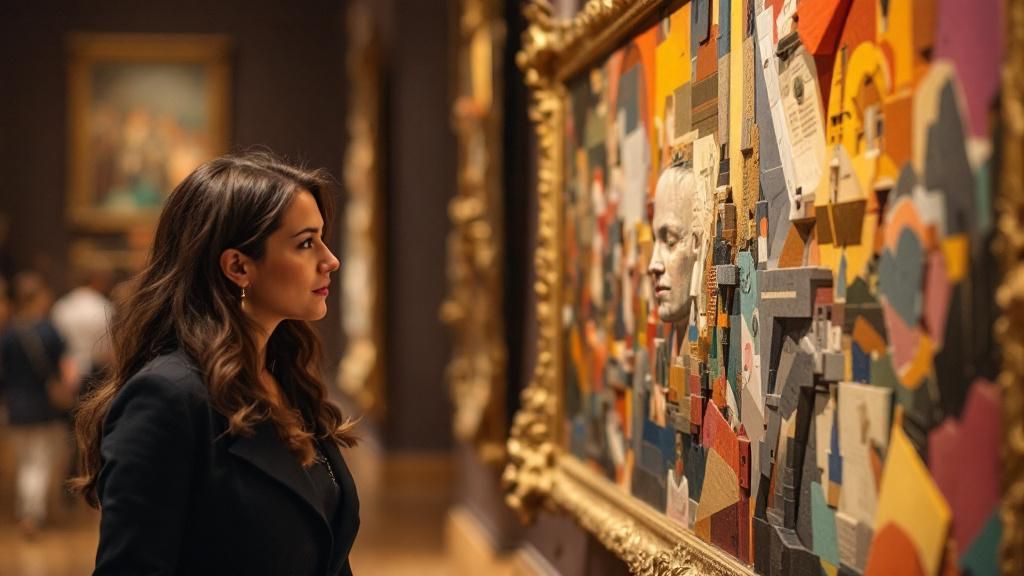
The British Museum has launched an comprehensive new programme to preserve modern creative works for future generations. In a substantial pledge to contemporary art preservation, the museum has announced substantial funding for advanced conservation projects intended to overcome the distinctive difficulties posed by modern artistic materials and methods. This deliberate commitment highlights the institution’s acknowledgement that contemporary pieces need specialised care and skill, guaranteeing that today’s creative expressions remain intact and open for the foreseeable future.
Expanding Conservation Skills
The British Museum’s investment constitutes a significant step in establishing internationally recognised curatorial capacity specifically tailored to contemporary art. By setting up focused study units and recruiting leading specialists in modern materials science, the institution seeks to develop a thorough resource collection confronting the particular safeguarding issues created by current artistic pieces. This development will permit conservators to apply advanced methodologies whilst upholding exacting professional guidelines, guaranteeing that groundbreaking artistic approaches are safeguarded with the same meticulous care historically provided to period pieces and valued collections.
Central to this programme is the engagement of highly proficient conservators with knowledge in emerging artistic disciplines and unconventional materials. The museum understands that present-day artists regularly work with plastics, synthetic compounds, digital components, and mixed media that create unprecedented conservation dilemmas. By forming a diverse team of specialists, the British Museum will position itself a prominent expert in present-day artistic preservation, recruiting talented professionals from across the globe and building collaborative relationships with other leading bodies committed to preserving modern cultural heritage.
Furthermore, the programme encompasses broad educational initiatives intended to develop the next generation of conservation experts. Through apprenticeships, internships, and advanced educational partnerships with universities, the British Museum will ensure that contemporary art conservation expertise stays current and progressive. This investment in career progression confirms that future conservators acquire the specialist expertise needed to manage emerging preservation challenges, ultimately reinforcing the organisation’s capability to safeguard and sustain contemporary artworks in perpetuity.
Strategic Initiatives and Budget Distribution
The British Museum’s financial support constitutes a innovative strategy to current artwork conservation, with allocated resources channelled into developing cutting-edge facilities and recruiting specialist staff. This deliberate funding commitment prioritises study of innovative preservation methodologies, addressing the distinctive challenges created by modern materials including digital content, man-made polymers, and mixed-media installations. The resource allocation system ensures enduring advancement of conservation capabilities whilst preserving the museum’s focus on public engagement and learning initiatives.
Partnership Growth
Joint collaborations form the bedrock of the British Museum’s conservation strategy, enabling expertise transfer with prominent global organisations and research facilities. Through collaborative agreements with universities and specialist conservation organisations, the museum improves its specialist knowledge and engagement with new technological developments. These partnerships support collaborative training schemes, enabling conservators to build expert-level capabilities in preserving contemporary pieces. The collaborative framework strengthens the broader conservation sector, advancing consistent quality standards across cultural organisations internationally whilst ensuring the British Museum remains at the forefront of contemporary artwork preservation.
The museum has developed structured partnerships with leading conservation laboratories and academic institutions, fostering strong connections for exchanging research findings and procedural advances. These partnerships go further than conventional institutional limits, incorporating partnerships with creative practitioners, technologists, and materials researchers. Such interdisciplinary collaboration guarantees preservation methods stay attuned to evolving artistic practices and new materials-related issues. The collaborations also facilitate availability of specialised equipment and specialist knowledge previously unavailable within individual institutions, significantly enhancing preservation capability and capability.
- Collaborative research initiatives with leading universities and conservation organisations
- Knowledge-sharing agreements with international museums and heritage organisations
- Professional development initiatives established collaboratively with specialist conservation professionals
- Digital partnerships with digital archival and archival specialists
- Artist involvement initiatives guaranteeing current artistic perspectives guide conservation practice
The partnership framework demonstrates the museum’s dedication to developing sustainable conservation systems benefiting the entire heritage sector. By fostering collaborative relationships, the British Museum contributes to building a comprehensive support network for contemporary art preservation. These joint initiatives generate valuable research outcomes, published widely within academic and professional communities, promoting preservation methods. The partnership model ensures resources are used effectively whilst optimising constructive results throughout various organisations and locations.
Future Impact and Sector Direction
The British Museum’s funding of current artistic conservation creates a fresh standard for arts bodies within the United Kingdom and beyond. By pioneering advanced preservation methodologies, the museum operates as a leading authority in managing the shifting intricacies of modern artistic materials. This commitment will undoubtedly shape how fellow museums approach their own preservation methods, promoting a collaborative approach to preserving modern artworks that surpasses conventional organisational limits and encourages expertise transfer within the cultural field.
The programme’s cascading impact will reach across the global heritage sector, establishing standards in optimal approaches in handling modern materials. The British Museum’s specialist skills and funding will permit newly established and smaller museums to draw upon collaborative knowledge exchange and specialist advice. Moreover, this initiative illustrates that spending on conservation systems produces considerable gains, not merely in terms of preserving artworks but also in improving institutional profile and securing both funding and talented professionals committed to current art preservation.
Looking ahead, the British Museum’s investment promises to transform how society values and protects modern creative work. By implementing comprehensive conservation frameworks now, the institution ensures that those who follow will receive a complete archive of 21st century artistic creation. This forward-thinking approach underscores the museum’s role as guardian of our shared heritage, whilst at the same time encouraging a wider dialogue about our mutual duty to safeguard the cultural bequest that shapes our contemporary era.
