
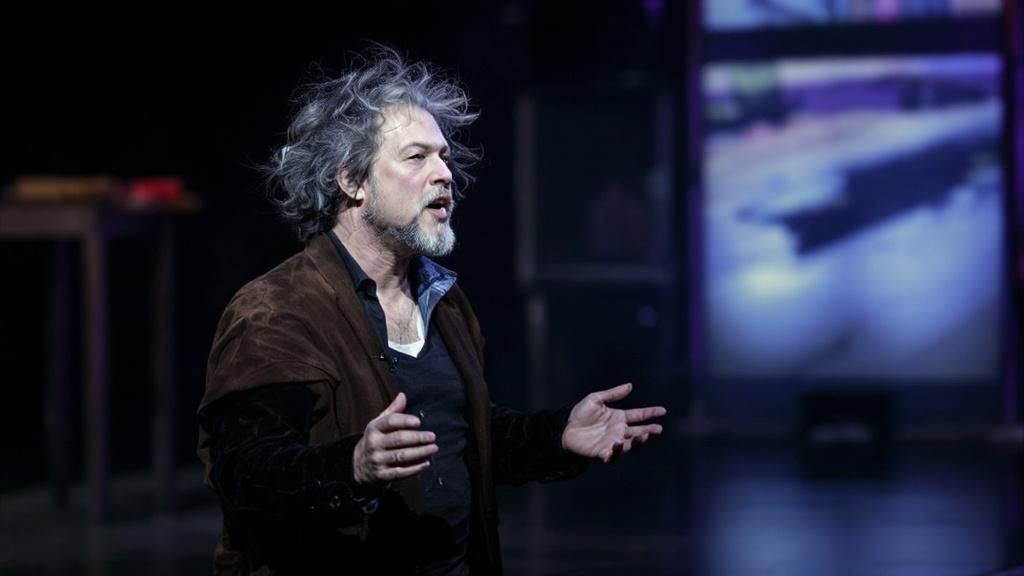
The National Theatre has launched an extensive programme designed to expand engagement with classical drama across the United Kingdom. This groundbreaking initiative seeks to bring internationally acclaimed stage productions to communities far beyond London’s West End, making certain that audiences in provincial and neglected regions can witness Shakespeare, Chekhov, and contemporary interpretations of enduring masterpieces. Through creative touring programmes, virtual mediums, and partnership collaborations, the theatre is significantly transforming how Britain engages with dramatic literature, making high-quality performances an fundamental access point rather than a privilege.
Making Theatre Accessible to World-Class Theatre
The National Theatre’s scheme constitutes a pivotal shift in how period plays reaches patrons within the Britain. By overcoming geographical barriers and financial constraints, the scheme guarantees that communities in remote locations and deprived regions can enjoy productions once exclusive to London’s premier institutions. This focus on inclusion embodies a fundamental belief that dramatic quality should not be determined by postcode or financial means, but rather shared fairly between all individuals regardless of their circumstances.
Through strategic partnerships with regional theatres, schools and universities, and community arts groups, the National Theatre is establishing long-term routes for access to classical works. The scheme covers productions on tour, subsidised ticket schemes, and community-led adaptations that encourage local participation and cultural ownership. By nurturing these partnerships, the theatre transforms from a London-focused venue into a distributed network of artistic quality, ensuring that the profound impact of drama becomes truly available to theatre-goers across the country.
Digital Advancement and Local Collaborations
The National Theatre’s plan relies on cutting-edge digital technology to expand access throughout the country. By leveraging streaming platforms and virtual performances, the institution provides concurrent viewing to theatrical works for audiences without the ability to attend live. This technical systems opens up cultural engagement, allowing viewers from Cornwall to the Scottish Highlands to enjoy high-quality theatre from home. The initiative also includes immersive digital content, instructional content, and behind-the-scenes content, enriching the theatrical experience beyond conventional live theatre and fostering deeper engagement with traditional theatrical works.
Equally important are the collaborative relationships established with theatre venues across regions, local authorities, and grassroots organisations within the United Kingdom. These collaborations guarantee productions connect with varied audience groups whilst supporting grassroots cultural infrastructure. The National Theatre provides financial support, specialist knowledge, and creative guidance to partner venues, building enduring cultural frameworks in communities lacking cultural investment. By collaborating with regional bodies rather than applying London-based criteria, the initiative respects local distinctiveness whilst upholding artistic standards. This partnership model transforms classical drama into a truly national undertaking, embedding theatrical culture across communities and building enduring cultural heritage.
Effects and Forward-Looking Strategy
The initiative’s influence goes well past mere attendance figures, profoundly changing arts engagement nationwide. Theatre organisations across regions report record engagement figures, with patrons uncovering fresh appreciation for classical works once regarded as inaccessible. Regions without theatre facilities now enjoy live performances, learning sessions, and insider perspectives. This democratization develops a increasingly inclusive arts environment, motivating younger generations to engage with theatrical works as a vital part of their learning and social growth.
Looking ahead, the National Theatre anticipates continued development of this pioneering programme throughout the coming decade. Planned capital allocation in technological infrastructure promise to further extend reach, facilitating concurrent transmissions and direct access to filmed shows. Working relationships with academic bodies will incorporate period plays within educational programmes, fostering sustained enthusiasm for stage performance. The initiative represents a watershed moment, setting the principle that exceptional theatrical experiences constitute a essential cultural access rather than an advantage restricted to the capital.
As this innovative project progresses forward, its success ultimately depends upon ongoing financial support, public participation, and collaborative partnerships. The National Theatre continues to be focused on evaluating effectiveness through public response, participation rates, and learning results, ensuring accountability and ongoing development. This groundbreaking programme represents a fundamental transformation in British society’s cultural outlook, establishing that classical drama belongs to everyone.
